
Choosing a flooring contractor involves more than comparing samples and installation prices. Homeowners are also deciding who they can trust inside their homes, who will communicate clearly, and who will stand behind the finished work. Local recognition can make that decision easier—especially when it comes from verifiable projects, customer referrals, and a consistent record of service rather than advertising alone. An established local presence provides something useful to investigate, although it does not guarantee quality.
How to attract qualified homeowners for flooring jobs in New Jersey.
A Familiar Name Is a Starting Point, Not the Whole Decision
A contractor’s name may first reach a homeowner through a neighbor, a community recommendation, or a recently completed project nearby. That familiarity creates an opportunity to ask specific questions: What work did the company perform? Did the final bill match the agreed scope? How did the crew handle problems?
The value of local recognition is strongest when customers can connect a recognizable name with actual work. Checking a contractor’s history and requesting references helps turn general familiarity into a more informed hiring decision.
Nearby Projects Make Experience Easier to Evaluate
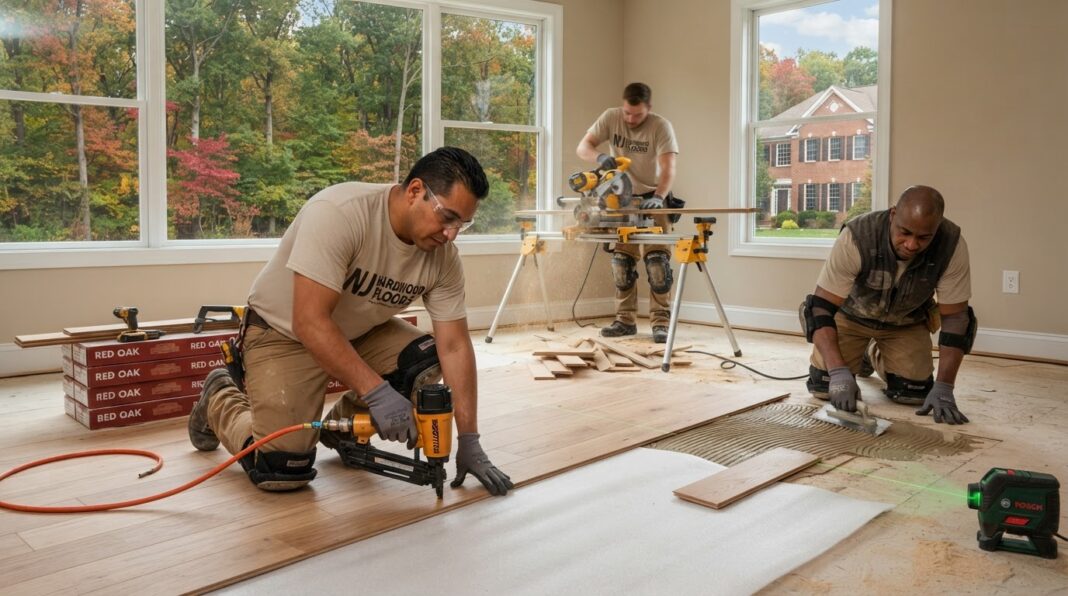
A portfolio becomes more useful when it includes projects similar to the customer’s own. A homeowner considering hardwood refinishing needs different evidence than someone replacing flooring in a busy commercial space.
New Jersey flooring providers point to comparable project experience, portfolios, and customer reviews as important selection criteria. Rather than relying on a broad claim such as “experienced flooring installer,” customers can look for evidence that the contractor has handled the materials, property types, and project requirements relevant to their job.
For a locally recognized contractor, those examples should be easier to discuss: what condition the original floor was in, what preparation was required, and how the finished result addressed the customer’s needs.
Local Knowledge Matters When It Shapes the Work
Local experience is valuable when it produces better questions and more appropriate recommendations—not simply when a company lists New Jersey towns on its website.
Moisture conditions, subfloor concerns, existing construction, and everyday use can influence flooring recommendations and installation planning. Contractors familiar with regional conditions may bring useful experience to those conversations, but customers should still ask how that experience applies to their particular property. A nearby address alone is not proof of technical expertise.
Reputation Creates a Reason to Stay Accountable
Established local contractors often depend on referrals and repeat customers. That gives them a business incentive to protect their reputation through dependable workmanship, clear communication, and responsive service. Proximity can also make follow-up visits more practical if an adjustment or warranty issue arises. Neither advantage is automatic, so customers should confirm who handles post-installation concerns and what support is included.
Recognition matters most when the contractor’s behavior supports it throughout the project—not just during the estimate.
Customers Should Verify What Recognition Represents
Awards, neighborhood recommendations, and positive reviews can help build a shortlist, but they should not replace basic checks. Before hiring, homeowners should verify applicable state registration, request proof of insurance, and obtain an itemized written estimate. A real business address and documented work history add context, but remain supporting evidence rather than guarantees.
Ultimately, local recognition is useful because it gives customers a reputation they can investigate. The stronger choice is not merely the most familiar name, but the contractor whose references, relevant experience, written proposal, and follow-through justify that familiarity.
How to attract qualified homeowners for flooring jobs in New Jersey.