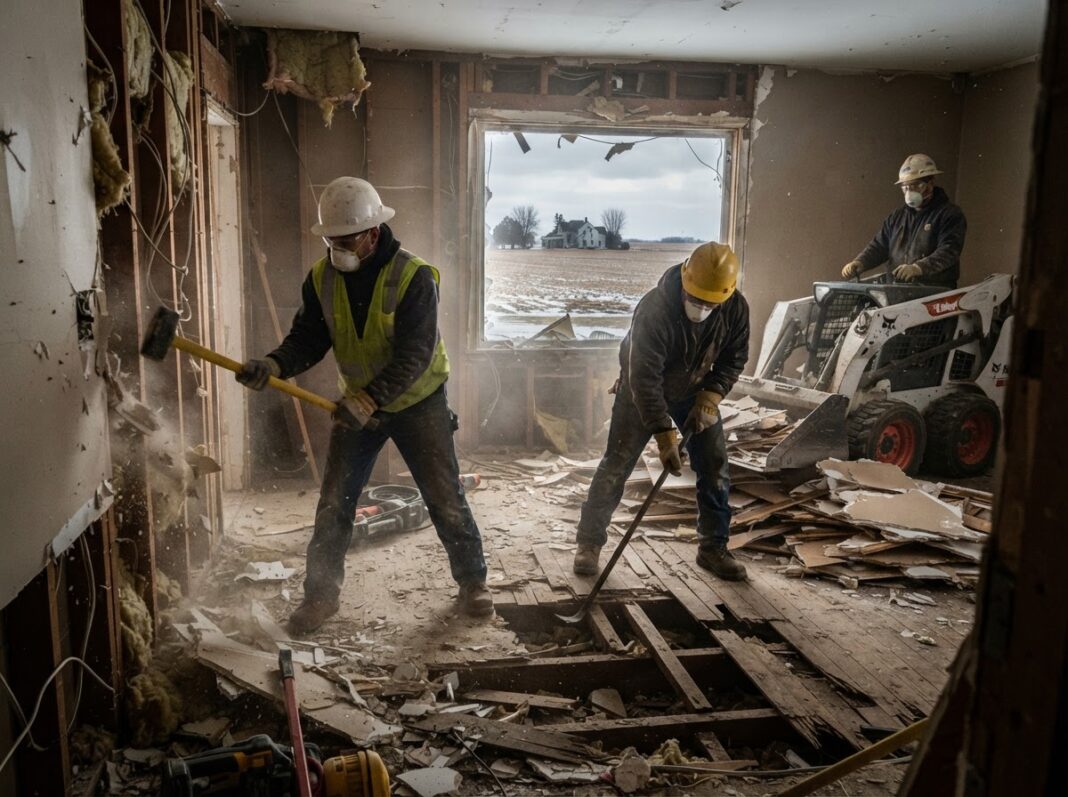

Homeowners hire demolition contractors when they feel confident the project will be safe, legal, and predictable. Most people have never taken down a building, and many are anxious about the dust, the noise, the cost, and what might go wrong once a wall comes down. The contractors who win that work are the ones who address those worries before the homeowner asks.
How to attract qualified homeowners for demolition jobs in Illinois.
Start With Listening, Not Quoting
The first conversation sets the tone for the whole project. Homeowners who are considering demolition often have mixed feelings. They may be clearing a fire-damaged house, replacing an aging garage, or preparing a lot for a new build, and each situation carries different emotional weight.
Ask open questions before you talk about equipment or price:
- What is the goal for the property once the structure is gone?
- What is your timeline, and what happens if it slips?
- Who else is involved, such as a lender, insurer, city inspector, or new builder?
- What concerns you most about the work?
Write down the answers in the homeowner’s own words. When you send your proposal, open it by restating what they told you. That signals you listened, and it often matters more to the client than the bid.
Explain the Process in Plain Language
Most homeowners do not know what a demolition involves beyond the wrecking ball. Walk them through the stages in order: utility disconnects, hazardous material surveys, permits, debris removal, site grading, and final inspection. Use everyday comparisons. For example, you might say that the utility disconnect is like turning off the water main before a plumber opens a wall.
Explaining the sequence removes fear because it makes the project look manageable. It also shows that you have thought through steps the homeowner did not know existed.
Address Asbestos and Hazardous Materials Early
In Illinois, older homes often contain asbestos in insulation, flooring, roofing, pipe wrap, and drywall compound. Before demolition, a licensed asbestos inspector must survey the building, and state and federal rules govern notification and removal. Confirm the current requirements with the Illinois Department of Public Health and the Illinois EPA, because the rules and deadlines can change.
Do not treat this as a footnote. Tell the homeowner early that the survey is required, what it costs, how long it takes, and how it affects the schedule. A homeowner who hears about asbestos from you in the first meeting trusts you more than one who learns about it from an inspector halfway through the job.
Be Transparent About Cost and Schedule
Homeowners fear surprise charges more than high prices. Break your estimate into clear line items: labor, equipment, disposal, permits, utility work, hazardous material handling, and site restoration. Explain which costs are fixed and which depend on conditions you may find once the work starts, such as buried tanks, unexpected foundations, or contaminated soil.
Set a realistic schedule with a buffer. Explain what can delay the project, including permit processing, inspection scheduling, weather, and discovery of hazardous materials. Then commit to telling the homeowner about any change within a set time, such as 24 hours, rather than letting them learn about it from a crew on the property.
A written estimate with named assumptions is the single most effective tool for building trust. When a homeowner can see what is included and what could change, a later change order feels fair rather than suspicious.
Show Them the Neighborhood Impact
Demolition affects people beyond the homeowner. Neighbors deal with noise, dust, vibration, truck traffic, and sometimes blocked parking. Talk with the homeowner about how you will manage those effects, and offer to notify the neighbors yourself.
Describe your plans concretely:
- Water spray or dust suppression during work
- Working hours that follow local ordinances
- Truck routes that avoid school zones and tight residential streets
- A contact phone number posted on the fence or given to adjacent owners
Homeowners often care about their reputation in the neighborhood, especially if they plan to stay or sell. A contractor who protects the neighbors protects the client’s standing too.
Document Everything
Photograph the property and neighboring structures before work begins. This protects both you and the homeowner from disputes over pre-existing damage. Share the photos with the homeowner and keep a dated copy in your file.
During the job, send brief progress updates with photos. Keep them factual: what was completed, what is next, and whether anything has changed. After completion, provide documentation of debris disposal, hazardous material clearance, permits, and final inspection. Many homeowners will need these records for insurers, lenders, or a future builder.
Close the Relationship Well
Finish with a walkthrough of the cleared lot. Show the homeowner the grading, the utility cap locations, and anything they need to know before building or selling. Hand over the paperwork in an organized packet.
Then follow up. A short call a few weeks later to confirm everything is settled costs little and often leads to referrals. Homeowners rarely hire demolition contractors more than once, but they talk to friends, neighbors, realtors, and builders who will.
The Bottom Line
Approaching homeowners well means treating the job as a shared project rather than a transaction. Listen first, explain clearly, disclose hazards and costs early, protect the neighbors, document everything, and follow through after the work is done. Contractors who do this stand out in a field where many homeowners expect to be surprised, and they earn the kind of reputation that fills the calendar without constant marketing.
How to attract qualified homeowners for demolition jobs in Illinois.